





Introduction
Your dentist has just told you that you need a filling, and you’re picturing the worst — drills, pain, hours in the chair. Take a deep breath. Modern dental fillings are quick, virtually painless, and one of the most routine procedures in dentistry. But knowing exactly what happens during a dental filling makes the whole experience easier. At Toothway Dental in Gachibowli, Hyderabad, Dr. Mettu Shanthan Reddy and Dr. J. Deepika Reddy walk every patient through each step before starting — adults and kids alike. This complete step-by-step guide explains everything from the first numbing gel to the final bite check, so you know exactly what to expect.
What Is a Dental Filling and When Is It Needed?
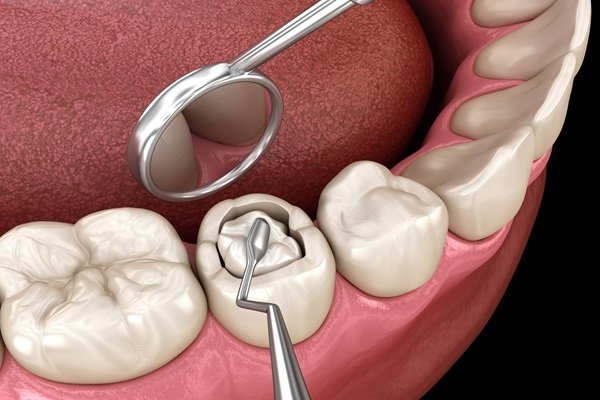
A dental filling is a restorative treatment used to repair a tooth damaged by decay (cavity), fracture, or wear. Once the decayed or damaged portion of the tooth is removed, the resulting hole is ‘filled’ with a biocompatible material that restores the tooth’s shape, function and appearance. Fillings are typically needed when you have visible cavities, tooth sensitivity to sweet/hot/cold, food trapping repeatedly, chipped or cracked teeth, or worn-down enamel. The most common materials are composite resin (tooth-coloured, used in most adult cases), glass ionomer cement (GIC, often used for children and gum-line cavities), and rarely amalgam (silver). At Toothway Dental, Gachibowli, almost every filling is done in a single appointment, taking 30-60 minutes per tooth.
Step 1: Initial Examination and Imaging
Before any drilling begins, your dentist does a thorough visual examination using a mirror and explorer to feel for soft spots and detect surface decay. Digital X-rays may be taken — particularly useful for cavities hidden between teeth (Class II) or below the surface. Modern dental clinics like Toothway Dental in Gachibowli use intraoral cameras to show you exactly what’s going on inside your mouth on a screen — making the diagnosis transparent. Once decay extent is confirmed, the dentist explains the type of filling needed (composite, GIC, ceramic), expected cost, and time. The examination phase is completely painless and helps you make informed decisions before treatment begins.
Reference Data Table
| Step | What Happens | Time Required |
|---|---|---|
| 1. Examination & X-ray | Diagnose cavity, plan treatment | 5-10 min |
| 2. Local Anaesthesia | Numbing gel + injection (if required); nitrous oxide sedation optional | 5-10 min |
| 3. Cavity Preparation | Remove decay with handpieces | 5-15 min |
| 4. Etching & Bonding | Prepare surface for composite | 2-3 min |
| 5. Filling Placement | Layered application + curing | 5-15 min |
| 6. Bite Adjustment & Polishing | Refine shape, smooth finish | 3-5 min |
| TOTAL | Single-tooth filling procedure | 20-30 min |
Step 2: Local Anaesthesia for a Painless Experience
Pain control is the most important comfort step. Your dentist will first apply a topical numbing gel to the gum area near the affected tooth — this anaesthetises the surface so you don’t feel the actual injection. After 1-2 minutes, a small amount of local anaesthetic is injected (if required) to numb the entire tooth and surrounding area. Within 5-10 minutes you’ll feel a heavy, tingly sensation and the tooth is completely numb. Modern dental anaesthetics last 1-3 hours, which is more than enough for any filling. For very anxious patients, children, or anyone with a strong gag reflex, Toothway Dental, Gachibowli also offers nitrous oxide (laughing gas) sedation alongside local anaesthesia — keeping the entire procedure completely pain-free and anxiety-free. At Toothway Dental, Gachibowli, child-friendly numbing techniques (warmed gel, slow injection, distraction) make pain control especially gentle for kids.
Step 3: Cavity Preparation — Removing the Decay
Once you’re numb, the dentist uses dental handpieces (drills) to remove the decayed portion of the tooth. A high-speed handpiece efficiently removes infected enamel, while a slow-speed handpiece is used for the softer dentin layer beneath. The dentist removes all infected tissue and shapes the cavity to retain the filling material properly. This is the longest step of the procedure — typically 5-15 minutes depending on cavity size. You won’t feel pain because of the anaesthesia, but you may feel pressure and hear sounds. A water spray cools the tooth and a suction keeps your mouth dry and comfortable. At Toothway Dental in Gachibowli, magnification loupes ensure precise decay removal without over-drilling.
Step 4: Tooth Surface Preparation (Etching and Bonding)
For composite fillings, the prepared cavity is treated with a phosphoric acid etchant for 15-30 seconds — this microscopically roughens the enamel surface for better bonding. The acid is rinsed off, the cavity is gently dried, and a bonding agent (adhesive primer) is applied and cured with a blue light. This creates an ultra-strong chemical and mechanical bond between the tooth and the filling material. The bonding step is what makes modern composite fillings so durable — they actually become part of the tooth structure rather than just sitting in it. GIC fillings skip this etching step as they bond chemically to tooth structure naturally — making them especially useful for children and gum-line cavities.
Step 5: Placing and Curing the Filling Material
The final step is checking your bite. The dentist places articulating paper between your teeth and asks you to bite — coloured marks show high spots that need to be ground down for comfortable chewing. Once the bite feels natural, the filling is polished with fine abrasive discs and pastes for a smooth, plaque-resistant surface. A final fluoride application strengthens the surrounding enamel. The total procedure takes 20-30 minutes from start to finish. Aftercare tips: numbness lasts 1-3 hours — avoid hot food or biting your cheek; mild sensitivity for 1-2 days is normal; brush gently around the area; avoid hard, sticky food for 24 hours. At Toothway Dental, Gachibowli, every patient leaves with written aftercare instructions and a 24-hour helpline.
Step 6: Bite Adjustment, Polishing & Aftercare
The final step is checking your bite. The dentist places articulating paper between your teeth and asks you to bite — coloured marks show high spots that need to be ground down for comfortable chewing. Once the bite feels natural, the filling is polished with fine abrasive discs and pastes for a smooth, plaque-resistant surface. A final fluoride application strengthens the surrounding enamel. The total procedure takes 30-60 minutes from start to finish. Aftercare tips: numbness lasts 1-3 hours — avoid hot food or biting your cheek; mild sensitivity for 1-2 days is normal; brush gently around the area; avoid hard, sticky food for 24 hours. At Toothway Dental, Gachibowli, every patient leaves with written aftercare instructions and a 24-hour helpline.
Conclusion
A dental filling is a quick, painless and effective treatment that protects your tooth from further decay. Knowing each step removes anxiety and helps you prepare. Trust the experienced team at Toothway Dental, Gachibowli, Hyderabad for safe, comfortable and lasting restorations.
Frequently Asked Questions
1. How long does a dental filling take?
Most fillings take 45-60 minutes per tooth. Larger Class IV or multi-surface fillings may take up to 1 hour. Toothway Dental, Gachibowli offers same-day fillings.
2. Is a dental filling painful?
No. With local anaesthesia, fillings are virtually painless. For added comfort, Toothway Dental, Gachibowli offers optional nitrous oxide (laughing gas) sedation. Mild sensitivity for 1-2 days afterwards is normal.
3. Can I eat after a dental filling?
Wait until the numbness wears off (1-3 hours) to avoid accidentally biting your cheek or tongue. Avoid hard, sticky food for 24 hours.
4. Do composite fillings stain over time?
Modern nano-hybrid composites resist staining well. Avoid heavy coffee, tea, wine, smoking. Regular professional cleanings keep them bright. Toothway Dental offers polishing every 6 months.
5. Do you offer nitrous oxide sedation for fillings at Toothway Dental?
Yes — Toothway Dental, Gachibowli offers nitrous oxide (laughing gas) sedation for adults and children who feel anxious. A soft nose mask delivers the gas during the procedure; you stay calm and relaxed but fully awake; you walk out alert within minutes once oxygen is given at the end.
6. Can I drive home after a filling done with nitrous oxide sedation?
Yes. Unlike other sedation methods, nitrous oxide wears off completely within minutes after pure oxygen is given at the end. Adults can drive themselves home and kids can go straight back to school — a key advantage of nitrous oxide sedation at Toothway Dental.