





INTRODUCTION
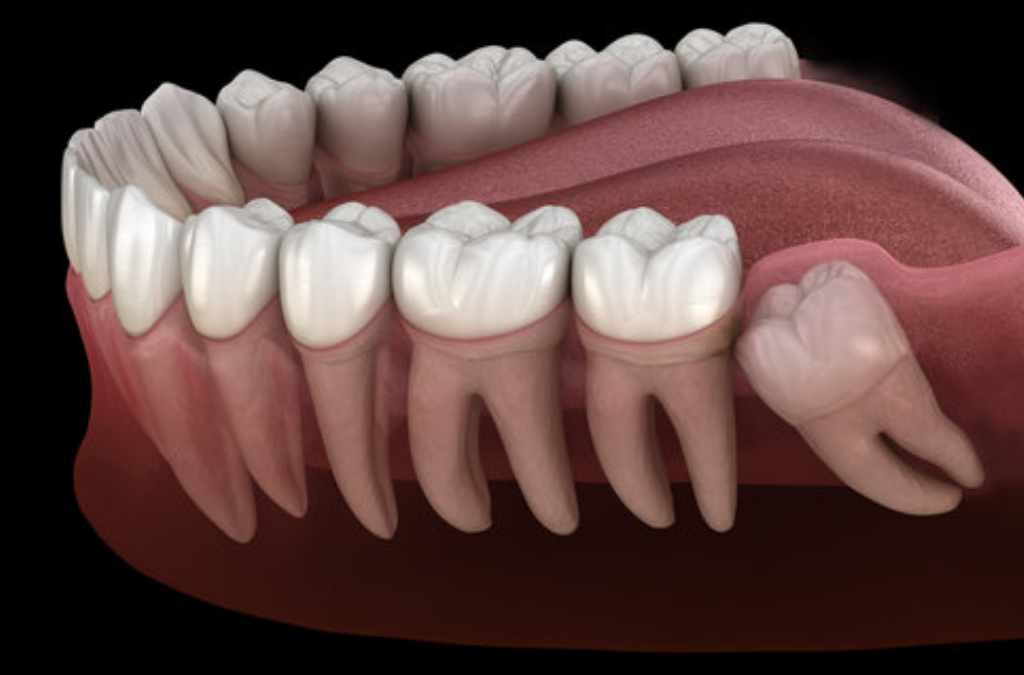
Wisdom teeth are the last set of molars to develop at the back of the mouth. They usually appear during the late teenage years or early adulthood. While some people have enough space for their wisdom teeth to grow normally, others may develop problems because the teeth do not have sufficient room to erupt properly.
An impacted or partially erupted wisdom tooth can cause pain, swelling, infection, food getting trapped around the tooth, gum problems and sometimes damage to the neighbouring tooth. In such situations, a dentist may recommend wisdom teeth removal
If you are considering wisdom tooth extraction surgery, you may have several questions. What is the tooth extraction meaning? What happens during a tooth removal procedure? Is tooth extraction pain normal? How long does tooth extraction recovery take? What should you do after a tooth is removed? And how much does it cost to remove wisdom teeth?
This guide explains the wisdom tooth removal process, different types of dental extraction, surgical removal, pain, recovery, aftercare, possible side effects and cost considerations in simple, patient-friendly language.
If you are experiencing wisdom tooth pain or swelling and are looking for a reliable dental clinic in Gachibowli, a professional dental examination can help determine whether wisdom tooth removal is necessary.
What Is a Wisdom Tooth?
A wisdom tooth is the third molar located at the very back of the upper or lower jaw. Most people can develop up to four wisdom teeth, although some people have fewer or do not develop them.
Because wisdom teeth are the last permanent teeth to erupt, there may not always be enough room for them to come into the correct position. A wisdom tooth may remain completely underneath the gum, partially erupt or grow at an angle.
An impacted wisdom tooth does not automatically mean that it must be removed. The decision depends on its position, symptoms, surrounding structures and the risk of future dental problems.
Tooth Extraction Meaning: What Does Dental Extraction Mean?
The tooth extraction meaning is the professional removal of a tooth from its socket in the jawbone.
The term dental extraction meaning refers to the same basic procedure. Extraction of teeth meaning is also simply the removal of one or more teeth by a qualified dental professional.
Dental extraction may be recommended when a tooth has extensive decay, infection, severe damage, advanced gum disease or another condition that makes preservation difficult. Wisdom teeth are another common reason for extraction.
Tooth removal is not the same as simply plucking a tooth. Permanent teeth have roots and are surrounded by bone and soft tissue, so attempting to remove them without professional care can cause injury and complications.
Why Are Wisdom Teeth Removed?
Not every wisdom tooth requires removal. A wisdom tooth that has erupted properly, is healthy, can be cleaned effectively and is not causing problems may be monitored by your dentist.
However, wisdom teeth removal may be recommended when a tooth causes or is likely to cause problems such as:
- Repeated pain or swelling
- Infection around a partially erupted tooth
- Significant tooth decay
- Gum infection
- Food becoming trapped around the tooth
- Damage to the neighbouring tooth
- An impacted wisdom tooth
- A cyst or other abnormality
- Difficulty maintaining oral hygiene
- A broken or badly damaged tooth
A dental examination and appropriate imaging help your dentist determine whether removal is necessary.
If you have persistent pain, swelling, infection or an impacted wisdom tooth, you can consult the dental team at ToothWay Dental Clinic for an evaluation and appropriate treatment plan.
www.toothway.in
Molar Tooth Extraction and Molar Extraction
Wisdom teeth are molars, but molar tooth extraction does not necessarily mean wisdom tooth removal.
A molar extraction may involve the first or second molar when it has severe decay, infection, fracture or another condition that cannot be predictably treated.
An upper molar extraction can differ from a lower molar extraction because the surrounding anatomy, roots and nearby structures are different.
The same applies to wisdom teeth. An upper wisdom tooth may have a different position and root anatomy from an impacted lower wisdom tooth. Your dentist will select the appropriate tooth removal process according to the individual tooth.
When Is Surgical Tooth Extraction Necessary?
Some teeth can be removed using a straightforward extraction. However, others require a more involved procedure called surgical tooth extraction.
Surgical extraction may be required when a tooth is:
- Impacted inside the jaw
- Partially covered by gum
- Growing sideways or at an unusual angle
- Broken below the gumline
- Difficult to access
- Surrounded by bone that prevents straightforward removal
The surgical removal of tooth may involve opening the gum to access the tooth. In some cases, a small amount of surrounding bone may need to be removed or the tooth may be divided into sections.
This is why tooth extraction surgery and wisdom tooth extraction surgery can involve more steps than a routine extraction.
Wisdom Tooth Removal Procedure: What Happens?
The exact tooth extraction procedure depends on the position and condition of the wisdom tooth.
1. Examination and Imaging
Before extraction, the dentist examines the tooth and surrounding gums. Dental X-rays or other appropriate imaging may be recommended to assess the tooth’s position, roots and relationship with nearby structures.
2. Anaesthesia
Local anaesthesia is generally used to numb the treatment area. This helps prevent sharp pain during the procedure. You may still feel pressure, movement or pushing.
3. Accessing the Tooth
If the wisdom tooth is fully visible and accessible, the dentist may be able to loosen and remove it without surgical access.
If the tooth is impacted or partially covered by gum, a surgical approach may be required.
4. Removing the Tooth
The dentist carefully loosens the tooth and removes it. For a complex extraction, the tooth may be divided into smaller sections to make removal more controlled.
5. Cleaning and Closing the Area
The extraction site is assessed and cleaned as appropriate. Stitches may be placed when necessary, particularly after some surgical extractions.
The extraction procedure is planned according to the patient’s individual anatomy and the complexity of the tooth.
Tooth Removal Process: Is It the Same for Everyone?
The tooth removal process is not identical for every patient.
A fully erupted wisdom tooth may be relatively straightforward to remove, whereas an impacted tooth may require surgical treatment.
Similarly, a broken tooth extraction procedure may be different from removing an intact tooth because part of the tooth may be below the gumline.
This is why a dentist should examine the tooth before deciding which extraction technique is appropriate.
Before surgical extraction, the dentist may recommend appropriate dental imaging to understand the position of the tooth and surrounding structures. If you need professional dental evaluation, you can contact ToothWay Dental to schedule a consultation.
Teeth Surgery and Teeth Operation: What Do They Mean?
Patients often use terms such as teeth surgery or teeth operation when describing dental procedures.
These terms can refer to several different treatments, including surgical wisdom tooth removal.
The exact treatment depends on the condition being treated. Before teeth surgery, your dentist should explain the procedure, expected recovery, possible risks and aftercare instructions.
Can You Remove a Wisdom Tooth at Home?
No. A permanent tooth should not be forcibly removed at home.
Searches such as how do you pull a tooth out, tooth plucking or how to get teeth out of mouth may make tooth removal appear simple, but permanent teeth are firmly attached to the jaw through their roots and supporting tissues.
Trying to remove a permanent tooth yourself can cause:
- Excessive bleeding
- Infection
- Damage to the gums
- Damage to surrounding teeth
- Retained tooth fragments
- Injury to nerves or other structures
Professional dental extraction is safer because the dentist can assess the tooth, roots, surrounding bone and nearby anatomical structures.
What Happens After Tooth Extraction?
One of the most common questions patients ask is what happens after tooth extraction.
After a tooth taken out, a blood clot normally forms inside the extraction socket. This blood clot is an important part of early healing and protects the underlying tissues.
Some tenderness, mild bleeding and swelling can occur after an extraction. The extent of these symptoms depends on the type of extraction and the individual’s healing response.
Following your dentist’s instructions carefully can help support normal healing.
After Removing Tooth What to Do?
Knowing after removing tooth what to do is important for protecting the extraction site.
Immediately after extraction, your dentist may advise you to:
- Keep the gauze in place for the recommended period.
- Avoid vigorous rinsing immediately after the procedure.
- Avoid repeatedly touching the socket with your fingers or tongue.
- Eat soft and comfortable foods initially.
- Avoid smoking and tobacco products.
- Take medication only as directed by your dentist.
- Maintain oral hygiene while being gentle around the extraction site.
- Avoid strenuous physical activity for the period advised.
These post-extraction precautions matter because disturbing the blood clot can interfere with healing.
What to Do After Tooth Extraction: Complete Aftercare
If you are wondering what to do after tooth extraction, the main goal is to protect the extraction site while maintaining appropriate oral hygiene.
Food and Drinks
Soft foods may be easier to eat during the early recovery period. Avoid very hard, sharp or crunchy foods that could irritate the area.
Oral Hygiene
Continue cleaning your mouth as directed by your dentist. However, avoid aggressively brushing or disturbing the extraction socket.
Smoking
Avoid smoking and tobacco products during the healing period. Tobacco can interfere with healing and increase the risk of complications.
Physical Activity
Follow your dentist’s advice about exercise and strenuous activity after extraction.
Medication
If medication is prescribed, take it exactly as instructed. Do not start antibiotics or other prescription medication on your own.
Tooth Removal After Care and Recovery
Tooth removal after care is an important part of recovery.
Tooth extraction recovery varies depending on whether the extraction was simple or surgical, the location of the tooth and the individual’s healing response.
After wisdom tooth surgery, swelling, tenderness and temporary difficulty opening the mouth can occur.
The gum gradually heals, while deeper bone healing takes longer. Your dentist may recommend a follow-up appointment depending on the complexity of the procedure.
Tooth Extraction Pain: Does Tooth Extraction Hurt?
Tooth extraction pain is one of the biggest concerns for many patients.
During the procedure, local anaesthesia is used to numb the area. Patients may feel pressure or movement but should not normally experience sharp pain while the tooth is being removed.
Once the anaesthetic wears off, some discomfort is expected.
Patients commonly ask, does it pain after tooth extraction? Some postoperative pain or tenderness can occur, particularly after surgical extraction.
The amount of pain varies from person to person. Your dentist can advise you about appropriate pain management based on your procedure and medical history.
Teeth Removal Pain: How Long Does It Last?
The question teeth removal pain how long it lasts does not have one answer for everyone.
A straightforward extraction may cause relatively mild discomfort, while surgical wisdom tooth removal can result in more noticeable swelling and tenderness.
The important point is that symptoms should generally improve as healing progresses.
If tooth removal pain becomes severe, suddenly worsens after initially improving or occurs with significant swelling, fever, foul taste or discharge, contact your dentist.
Wisdom Tooth Extraction Side Effects
Possible wisdom tooth extraction side effects include:
- Pain or tenderness
- Swelling
- Bruising
- Mild bleeding
- Jaw stiffness
- Temporary difficulty opening the mouth
Most postoperative symptoms gradually settle during recovery.
Less common complications can include infection, dry socket, prolonged bleeding or nerve-related symptoms.
The risk of nerve disturbance is particularly important with some lower wisdom teeth because their roots may be close to important nerves. Appropriate imaging can help with treatment planning.
Wisdom Teeth Removal Surgery and Recovery
Wisdom teeth removal surgery may be recommended when an impacted or otherwise problematic wisdom tooth cannot be safely removed through a simple extraction.
Following wisdom tooth extraction surgery, swelling and discomfort may be more noticeable than after a straightforward extraction.
During tooth extraction recovery, follow all instructions provided by your dental professional. Do not compare your recovery directly with another person’s experience because healing varies.
If your dentist recommends follow-up, attend the appointment so the extraction site can be assessed.
Upper and Lower Wisdom Tooth Extraction
Wisdom teeth can develop in both the upper and lower jaws.
An upper wisdom tooth and lower wisdom tooth can have different root shapes and relationships with surrounding structures.
A lower molar extraction, particularly involving an impacted lower wisdom tooth, may require careful assessment because the roots can sometimes be close to important nerves.
An upper molar extraction may involve different anatomical considerations.
Imaging and clinical examination help the dentist determine the safest approach.
Order of Extraction and Order of Extraction of Teeth
Patients sometimes search for the order of extraction or order of extraction of teeth when several teeth require removal.
There is no universal extraction order that applies to every patient.
The sequence may depend on:
- Which teeth require treatment
- Pain or infection
- Urgency
- Complexity of each extraction
- The patient’s overall dental treatment plan
- Other planned dental procedures
If multiple teeth require extraction, the dentist will determine the appropriate sequence based on the individual situation.
Tooth Removal Cost and Wisdom Tooth Extraction Cost
Tooth removal cost varies depending on the type of tooth and complexity of the procedure.
Factors that may affect the cost include:
- The tooth being removed
- Whether the tooth is erupted or impacted
- Complexity of extraction
- Imaging requirements
- Whether surgical extraction is required
- Additional treatment requirements
Patients often search wisdom tooth extraction cost, how much does it cost to remove wisdom teeth, or how much is wisdom teeth removal.
There is no single cost that applies to every patient. A simple erupted wisdom tooth may require a different procedure from an impacted tooth requiring surgical removal.
Similarly, surgical tooth extraction cost, impacted wisdom teeth removal cost, and surgical removal of wisdom teeth cost can vary depending on the complexity of treatment.
The most reliable way to understand the expected cost is to have the tooth examined and receive an individual treatment estimate.
When Should You Consult a Dentist?
You should arrange a dental examination if you experience:
- Persistent wisdom tooth pain
- Repeated swelling
- Infection around the wisdom tooth
- Difficulty opening your mouth
- Bad taste or discharge
- Food repeatedly becoming trapped
- Damage to a neighbouring tooth
- A partially erupted wisdom tooth
- An impacted wisdom tooth
- Severe decay
- A broken tooth
Urgent professional care is particularly important if you develop rapidly increasing facial or neck swelling, difficulty breathing, difficulty swallowing, uncontrolled bleeding or significant illness associated with dental swelling.
If you have recurring wisdom tooth pain, swelling, infection or difficulty opening your mouth, visiting a dental clinic in Gachibowli for an examination can help identify the cause and appropriate treatment.
Wisdom Tooth Removal at ToothWay Dental Clinic Gachibowli Hyderabad
If you are looking for wisdom tooth removal at Toothway Dental Clinic, a professional examination can help determine whether your wisdom tooth needs to be removed or monitored.
At ToothWay Dental Clinic, Gachibowli, Hyderabad, patients can discuss wisdom tooth concerns with the dental team and receive an evaluation based on their individual dental condition.
Patients searching for wisdom tooth extraction at Toothway Dental Clinic Gachibowli can contact the clinic for an appointment and discuss symptoms such as pain, swelling, recurrent infection or an impacted wisdom tooth.
The treatment approach depends on the position of the tooth, its condition and the surrounding anatomy. Your dentist can explain whether routine extraction or surgical tooth extraction is appropriate.
For people searching for wisdom tooth removal in Gachibowli Hyderabad, wisdom tooth extraction in Gachibowli, or dental extraction services in the area, a professional assessment is the appropriate first step.
Can We Remove Wisdom Teeth at ToothWay Dental Clinic Hyderabad?
Patients may ask, “Can we remove wisdom teeth at Toothway Dental Clinic Hyderabad?”
Wisdom teeth can be removed when a qualified dentist determines that extraction is clinically appropriate.
The decision depends on factors such as whether the tooth is impacted, infected, damaged, causing pain or affecting neighbouring teeth.
An examination and appropriate imaging help determine the treatment plan.
Conclusion
Wisdom teeth can remain healthy in some people, while others may experience pain, infection, impaction, decay or damage to nearby teeth. Understanding the tooth extraction procedure, tooth removal process, recovery period, postoperative pain and tooth removal after care can help you prepare for treatment.
Permanent teeth should never be removed through home methods such as tooth plucking. A professional dental assessment is important because the position of the tooth, roots, surrounding bone and nearby structures can affect the treatment approach.
If you are experiencing wisdom tooth pain, recurrent swelling, infection or problems with an impacted wisdom tooth, consult a qualified dental professional.
For patients looking for wisdom tooth removal at Toothway Dental Clinic or wisdom tooth extraction at Toothway Dental Clinic Gachibowli, contact:
ToothWay Dental Clinic
Gachibowli, Hyderabad
Phone: 74167 22020
Frequently Asked Questions
1. What Should I Do After Tooth Extraction?
After tooth extraction, follow the aftercare instructions given by your dentist. Avoid disturbing the extraction site, eat comfortable foods and avoid smoking or tobacco. Maintain oral hygiene carefully and contact your dentist if bleeding, pain or swelling becomes severe or worsens.
2. Does Tooth Extraction Hurt?
Local anaesthesia is used during tooth extraction to numb the treatment area. You may feel pressure or movement, but sharp pain should generally be prevented during the procedure. Some discomfort is expected after the anaesthetic wears off.
3. How Long Does Wisdom Tooth Extraction Recovery Take?
Recovery varies according to the complexity of the extraction and individual healing. Surgical wisdom tooth removal may cause swelling and discomfort for several days. The gum continues healing afterward, while deeper bone healing takes longer.
4. How Much Does Wisdom Tooth Removal Cost?
The wisdom tooth extraction cost depends on whether the tooth is erupted or impacted, the complexity of extraction, imaging and whether surgical treatment is required. An individual estimate can be provided after a dental examination.
5. Can We Remove Wisdom Teeth?
Yes. Wisdom teeth can be removed when a dentist determines that extraction is clinically appropriate. Common reasons include recurrent infection, problematic impaction, significant decay, pain or damage to neighbouring teeth.